


Clubhouse was a revolutionary application for social networks, especially in the worldwide growth of voice-only communication in real-time. With the use of live audio, Clubhouse permits a completely different interaction where thousands of users can talk, listen, and mingle together, even without a limit on the number of active rooms.
Such interactions are possible because of an architecture that guarantees very low latency, high concurrency, real-time voice processing, efficient bandwidth usage, and, most importantly, uncompromised quality.
To meet all these requirements, Clubhouse utilizes a custom-built audio streaming pipeline that is tuned for low-latency transmission, a very large backend infrastructure that can handle a lot of users at the same time, audio compression that uses very little data, and very quick event handling.
The platform takes on an extra hurdle: it has to perform for live speakers and manage listeners, besides synchronizing audio streams across devices and regions. The article elaborates on the enormous real-time audio streaming powers of Clubhouse, exploring the core architectural choices, performance upgrades, and technologies that make global live chats uninterrupted.
How Clubhouse’s Live Audio Streaming System Is Designed
The live audio streaming system of Clubhouse is designed to facilitate real-time voice communication on an extremely large scale, allowing thousands of users to simultaneously listen and talk in millions of active rooms. Clubhouse is not like any of the traditional messaging services, as it is completely dependent on live voice communication, requiring ultra-low latency, high concurrency processing, and very efficient audio distribution.
The system will always provide seamless audio delivery, with very little delay, and will be very stable even during the busiest times. Each and every part of the process—from capturing the voice to sending the audio to the listener's device—is optimized in such a way that the lag is reduced to very low levels, bandwidth is well managed, and the audio quality is excellent. The architecture is mainly concerned with real-time streaming, dynamic room management, and scalable backend services, thus making it capable of handling unexpected increases in the number of users.
Understanding the Core Architecture of a Voice-First Platform
The basic structure of Clubhouse is centered around live voice communication, and it is not a stored media playback. Clubhouse is an app that streams live audio data, which needs to be sent out at once, as opposed to the case with Amazon MP3 or offline music players, where content is preloaded and buffered.
Key architectural principles include:
- A voice-centric system design instead of media storage
- Low-latency data pipelines for live audio flow
- Scalable backend services to support millions of users
- Event-driven communication for room creation and interaction
By using this method, Clubhouse can be a real-time voice app, where every interaction is like a conversation that is going on naturally, rather than being delayed or sounding artificial.
Multi-Speaker Room Architecture and Audio Mixing
Clubhouse's multi-speaker room model is the one that characterizes the platform, allowing users to talk to many people while a huge audience is listening. For this purpose, the app makes use of a centralized audio mixer that handles multiple voice streams at the same time and in real-time.
The system:
- Collects voice input from speakers
- Normalizes and balances audio levels
- Mixes multiple streams into a single output
The configuration guarantees perfect sound quality, gets rid of echo or distortion, and allows for perfect speaker shifts. The mixing factor is crucial in making voice content communication effective, and it guarantees that the sound is clear even when there are many participants.
Publisher–Subscriber Model for Live Audio Rooms
Clubhouse uses a Publisher–Subscriber (Pub/Sub) communication model to manage real-time audio delivery. In this design:
- Speakers act as publishers.
- Listeners act as subscribers.
- Backend services manage audio routing dynamically.
This model not only allows for broadcasting in an efficient manner but also avoids the scenario of transmitting data that is not needed. Besides, it provides the functionalities of sending messages to all users in a room, the management of a room, and dynamically increasing and decreasing listeners without interruption.
The Pub/Sub pattern is a great performance achiever even in the case of large rooms, which makes it suitable for live voice-based platforms.
Evolution of Audio Streaming and Social Audio Platforms
The audio streaming journey has undergone a major change, moving from the old-fashioned downloading method to the modern interactive platforms in real-time. The old-age systems were concentrated on offline sound and music playlists, where users were just listening to the content and not engaging with it.
Presently, Clubhouse and such other platforms are the ones leading this new wave of combining live interaction and social audio. One of the factors that has greatly contributed to this transformation is the high-speed networks, mobile devices, and real-time streaming technologies, which can support the voice-first social applications of the new category.
The Birth and Rise of Clubhouse
The rapid rise of Clubhouse was driven by its purpose-built clubhouse audio infrastructure, which was designed to support real-time voice communication at scale. Unlike traditional audio platforms, Clubhouse focused on live interaction, requiring an architecture capable of handling large numbers of users simultaneously. Its success largely depended on how effectively the platform managed scaling, ensuring smooth audio delivery even as user traffic increased rapidly.
Key factors behind its growth include:
- Scalable audio infrastructure optimized for live conversations
- Efficient handling of concurrent users and large audio rooms
- Low-latency voice transmission for real-time interaction
- Backend systems designed to support rapid scaling
- Reliable performance during high user engagement
This combination of strong infrastructure and scalable design enabled Clubhouse to grow quickly while maintaining consistent audio quality and real-time communication reliability.
Shift from Offline Music to Real-Time Voice Streaming
The migration from non-digital music and stored sound to streaming was a significant change in technology. Amazon MP3 was a platform that worked mainly through downloading and buffering, while current apps focus on immediate access.
Real-time voice streaming requires:
- Continuous network connectivity
- Low-latency transmission
- Dynamic bandwidth adjustment
- Real-time audio processing
This switch has made possible functionalities like live talking, real-time voice messages, and broadcasting with user participation.
Comparing Live Audio with Traditional Sound Playlists and Amazon MP3
Traditional platforms like sound playlists and Amazon MP3 focus on consumption, not interaction. They rely on stored content and do not require real-time delivery.
In contrast, live audio platforms:
- Demand ultra-low latency
- Require constant synchronization
- Support two-way communication
- Operate on streaming rather than storage
This difference highlights why Clubhouse needs a more complex and scalable backend compared to traditional audio services.
Real-Time Audio Delivery and Low-Latency Communication
Real-time audio delivery is still the main feature of any live voice platform, and Clubhouse is the one that especially enhances this experience. Instead of making use of the buffered playback like regular streaming services, live audio platforms require the instant sound transmission to be done with the least possible delay. This is where low-latency communication turns out to be very important.
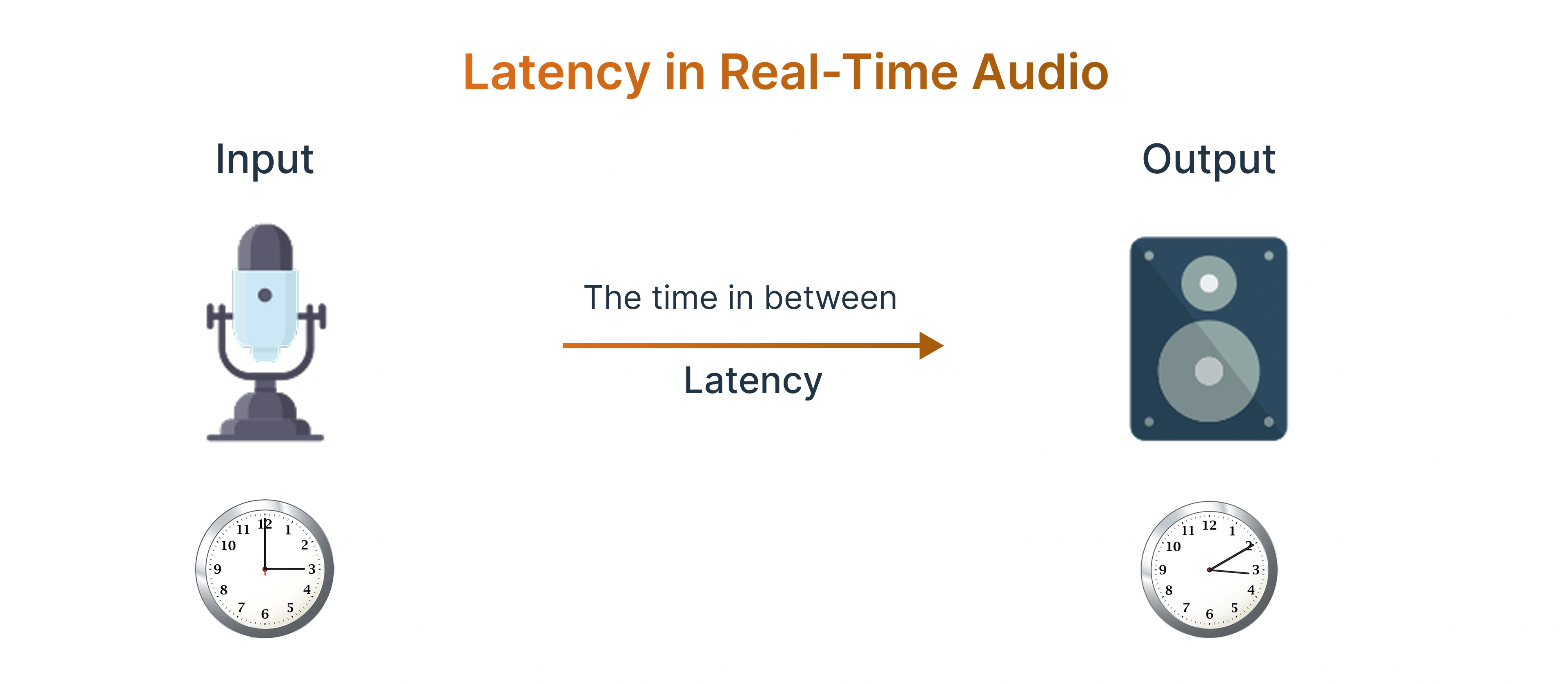
Latency in everyday usage is the factor that differentiates natural from non-natural conversation. It is the case of high latency that results in awkward pauses and overlapping voices, while low latency allows for smooth and real-time interaction. Clubhouse is getting this done by utilizing a combination of efficient network protocols, optimizing audio pipelines, and intelligently routing mechanisms that are specifically developed for uninterrupted voice transmission.
Persistent Connections and Real-Time Audio Protocols (WebRTC, RTP)
In order to facilitate live conversations, Clubhouse has adopted the use of persistent connections that rely on real-time communication protocols such as WebRTC and RTP. These protocols are specifically designed for real-time voice and video transmission, where low latency and continuous data flow are more critical than perfect audio quality. Unlike traditional HTTP-based communication, they maintain an active connection, allowing audio data to be transmitted instantly without repeated handshakes.
WebRTC (Web Real-Time Communication) enables direct, low-latency audio streaming between users. It supports built-in features such as echo cancellation, noise reduction, adaptive bitrate control, and encrypted communication, making it ideal for live voice interactions. WebRTC automatically adjusts audio quality based on network conditions, ensuring smoother conversations even when bandwidth fluctuates.
RTP (Real-Time Transport Protocol) works alongside WebRTC to manage how audio packets are delivered across the network. It ensures proper sequencing, timing, and synchronization of voice data, which helps reduce jitter and packet loss. RTP also allows efficient handling of live voice streams, ensuring that speech remains clear and continuous during group discussions or broadcasts.
Key benefits of this approach include:
- Continuous audio streaming without frequent reconnections
- Reduced transmission delay for real-time conversations
- Efficient packet handling for live voice data
- Support for large-scale broadcasting and interactive voice sessions
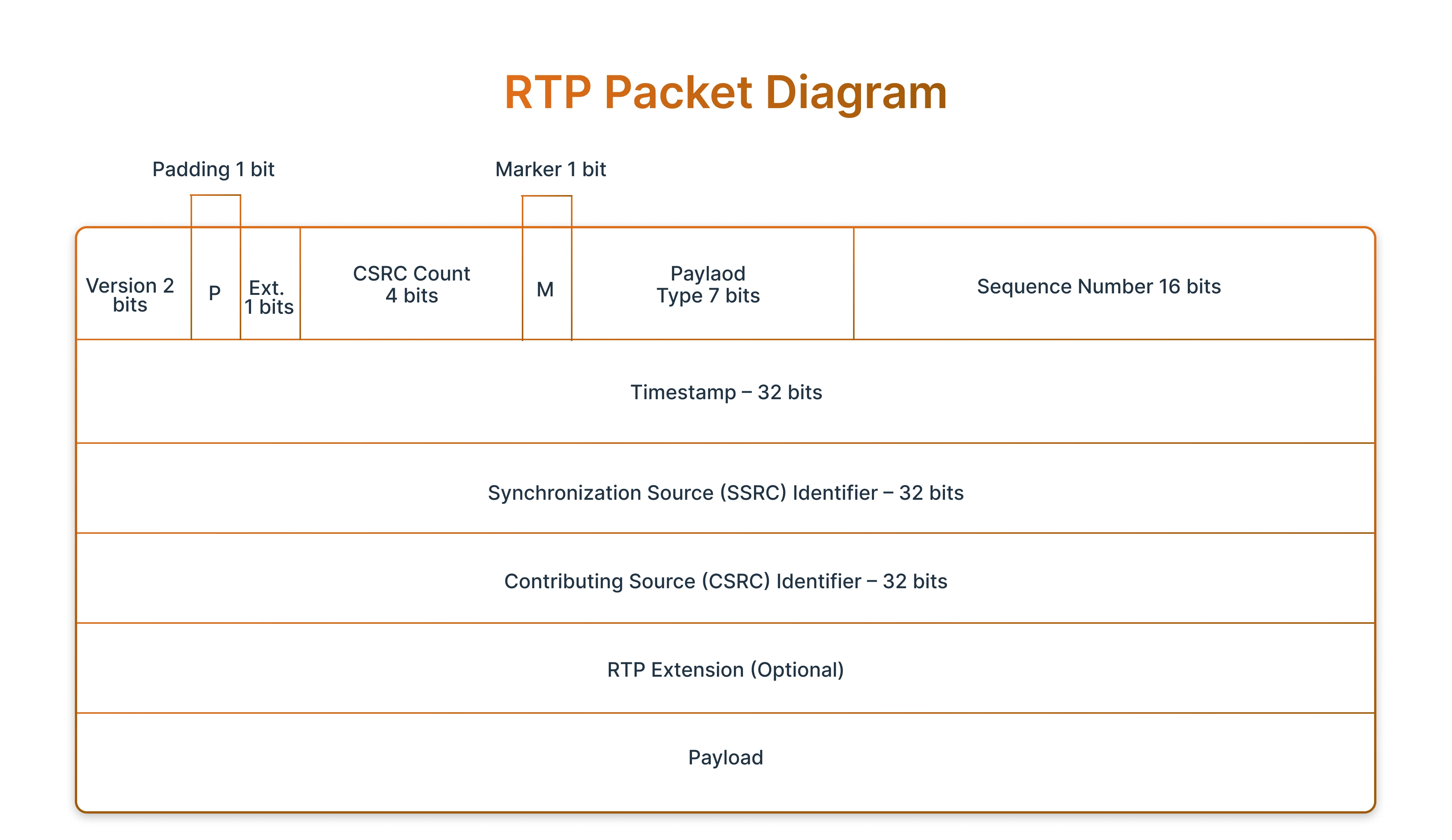
Through the use of persistent connections and real-time protocols, Clubhouse is able to ensure immediate voice transmission, maintain stream stability, and deliver a smooth listening experience even under unstable network conditions. This architecture plays a crucial role in making the platform reliable, scalable, and suitable for high-performance live audio streaming.
How Clubhouse Achieves Sub-Second Latency
The attainment of sub-second latency is an important engineering goal that Clubhouse has set for itself. This means that the exchange of ideas between people on the platform is almost as good as being done in real life and uninterrupted. The next in line question is: What does it mean to say that latency is "very low"?
Latency denotes the absolute duration for an audio signal to go from the source to the destination point. With low latency, the sound of one side can be easily heard by the other side as if it actually occurred at the same moment.
On the other hand, high latency will result in lagging and, to a certain extent, will restrain the communication.
Ways in which Clubhouse minimizes latency include the following:
- More efficient audio encoding
- Routing with the least number of hops
- Processing at the center
- ABR (Adaptive Bitrate Streaming)
These techniques enable the audio quality to be superb even at the very time when all users are online, and the lag is still kept to a minimum.
Handling Packet Loss, Jitter, and Network Variability
Live audio streaming always faces issues related to the network such as packet loss and jitter. Clubhouse employs the expert balancing and recovery methods to overcome these problems.
The system:
- Detects unstable connections
- Adjusts bitrate dynamically
- Applies jitter buffering.
- Uses redundancy to prevent audio drops
This ensures that voice communication remains smooth even on unstable networks. These techniques are especially important for users accessing the platform through mobile networks or browser-based environments like Discord in browser.
Latency Monitoring and Performance Optimization
Latency monitoring is of great significance since it helps to keep the audio streaming of high quality. Clubhouse keeps on monitoring the system performance relentlessly to find out the causes of the delay and the places where the transmission is slow before they reach the users. This preventive strategy enables the engineers to keep broadcasting even when the traffic is heavier than usual.
Using a combination of analytics, logging, and real-time metrics, the platform guarantees that the operation is free of interruptions in all areas and on all devices.
Measuring End-to-End Audio Latency
Understanding how latency is measured helps improve system performance. End-to-end latency includes the time taken for voice capture, encoding, transmission, decoding, and playback.
End-to-end latency includes:
- Voice capture delay
- Encoding and processing time
- Network transmission delay
- Playback latency on the listener’s device
By measuring each stage, engineers can identify performance bottlenecks and optimize audio flow.
Real-Time Monitoring, QoS Metrics, and Alerts
Quality of Service (QoS) metrics always stand out as a major factor in securing a steady performance. Clubhouse keeps an eye on the metrics like packet loss, jitter, bitrate, and stability of the connection.
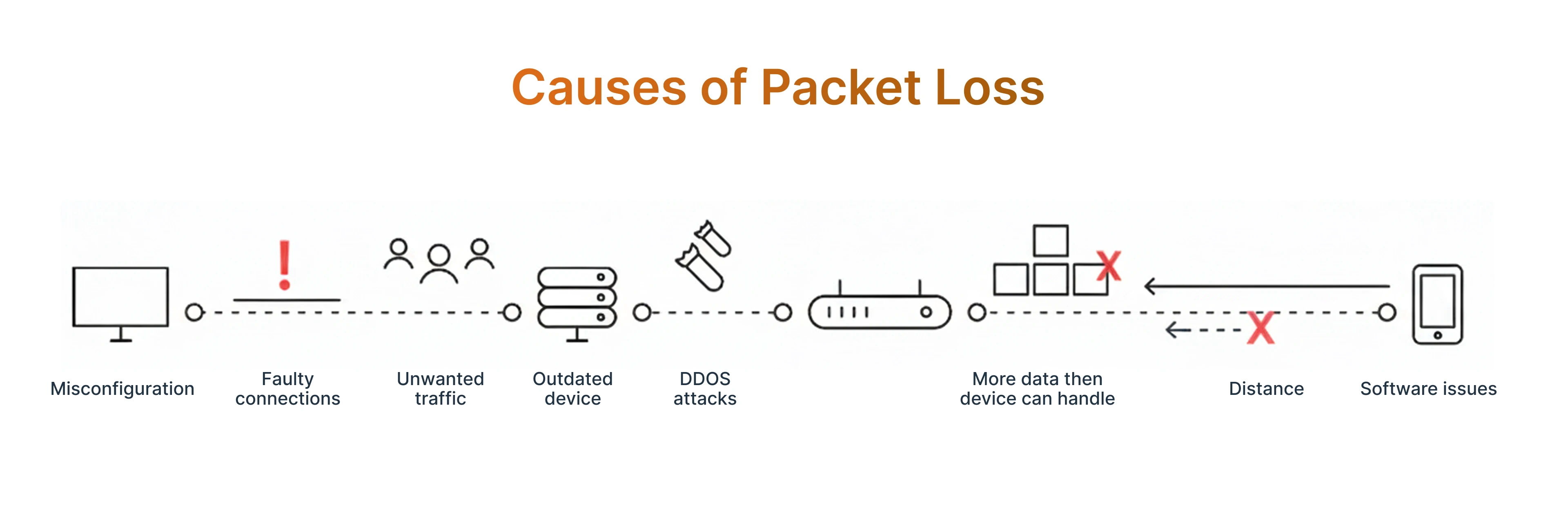
To maintain quality, Clubhouse uses real-time monitoring tools and Quality of Service (QoS) metrics such as:
- Packet loss rate
- Network jitter
- Latency thresholds
- Stream stability
If the performance falls under the set limits, the engineers will be informed by the automated alerts. This makes it possible to take fast action against the deterioration of the service and keep the broadcasting experiences at a high-quality level.
Adaptive Strategies for Network Conditions
Network conditions can vary significantly across users and regions. To handle this, Clubhouse uses adaptive strategies such as dynamic bitrate adjustment, load balancing, and intelligent routing.
Clubhouse uses adaptive strategies to ensure consistent performance under varying network conditions. These include:
- Dynamic audio compression
- Load balancing across servers
- Intelligent routing based on network health
These strategies allow the platform to scale efficiently while maintaining audio clarity and stability across regions.
Future Trends in Audio Streaming and Voice Platforms
Audio streaming is rapidly evolving with the integration of AI, real-time processing, and immersive communication technologies. Modern voice platforms are no longer limited to basic audio delivery; instead, they are shifting toward intelligent, interactive, and highly personalized experiences. These advancements allow platforms to deliver better sound quality, improved engagement, and smoother real-time communication, making voice-based applications more dynamic and user-focused.
One of the key trends shaping the future of audio streaming is the adoption of AI-powered technologies. Features such as noise suppression, voice enhancement, smart audio balancing, and automated moderation are becoming standard across platforms. These innovations improve clarity, reduce background disturbances, and help manage live conversations efficiently. AI-driven tools also assist in monitoring sessions, enhancing speech quality, and maintaining consistent performance even during high traffic usage.
Another emerging direction is the rise of experimental formats such as wild robot streaming. In this model, AI-driven voices actively participate in live sessions by hosting rooms, assisting users, or moderating discussions. Alongside this, voice platforms are evolving into richer multimedia experiences by integrating features like background blur, green screen effects, visual overlays, and enhanced voice filters. These additions make interactions more immersive and engaging, transforming traditional voice apps into next-generation communication platforms that combine automation, creativity, and real-time collaboration.
Conclusion: What Makes Clubhouse’s Audio Streaming Model Scalable
Clubhouse stands out as a real-time voice streaming platform because of its well-designed audio streaming infrastructure and focus on low latency audio streaming solutions. By efficiently handling voice data and optimizing how audio packets are transmitted, the platform ensures smooth communication even during high traffic. This approach helps maintain performance while supporting large-scale live discussions without delays.
A major reason for its success is the use of scalable audio streaming architecture combined with continuous audio streaming optimization for live apps. Techniques such as intelligent routing, bandwidth control, and broadcast message handling allow the system to perform reliably as user demand increases. Features like voice tests, real-time monitoring, and adaptive streaming help maintain consistent quality while managing network fluctuations effectively.
Additionally, Clubhouse focuses on reducing delay by understanding what latency is, how latency is measured, and how to reduce latency in real-time environments. Through smart load distribution, efficient use of broadcast bands, and performance tuning, it delivers a high-performance live audio system that scales smoothly. This makes the platform streamable, resilient, and well-suited for modern live audio communication needs.
FAQ'S
1)What is an audio mixer, and how does it work in live streaming?
An audio mixer combines multiple voice inputs into a single balanced output during live streaming. In platforms like Clubhouse, it ensures consistent sound levels and smooth audio delivery for all listeners in real time.
2)How is latency managed during live audio discussions?
Latency is managed using real-time protocols, adaptive bitrate streaming, and optimized routing. These techniques help reduce delay and ensure low-latency communication during live voice conversations.
3)How does live audio streaming differ from offline music apps?
Live audio streaming delivers voice in real time with minimal buffering, while offline music apps play pre-downloaded content. Live streaming requires low latency and continuous network connectivity, unlike stored audio playback.
4)What subscription models are common in audio streaming platforms?
Common subscription models include free tiers with limitations, premium subscriptions for ad-free access, and creator-based monetization. Some platforms also offer paid rooms or exclusive live sessions.
5)How does broadcasting differ from regular audio playback?
Broadcasting involves transmitting live audio to multiple users simultaneously, while regular playback plays pre-recorded audio locally. Broadcasting requires real-time processing, network balancing, and scalable delivery systems.
%201.webp)