

If you've ever booked a doctor through Zocdoc and the slot disappeared right after you confirmed it, you know exactly why testing this kind of system is hard. Healthcare appointment booking isn't just a calendar. It's a chain of moving parts insurance verification, real-time slot availability, EHR sync, notifications and any one of them can quietly break without throwing an obvious error.
This post covers what a solid QA approach looks like for a healthcare booking system like Zocdoc's functional test cases, API contract testing, HIPAA compliance checks, and load scenarios.
Why Healthcare Booking Systems Are Hard to Test
Most booking apps aren't that complex under the hood. Healthcare ones are different. You're dealing with regulated patient data, third-party calendar integrations across hundreds of EHR systems, real-time availability that changes by the second, and insurance rules that vary by plan and provider.
A broken checkout flow on an e-commerce site costs a sale. A broken appointment booking flow in healthcare can cost someone a delayed diagnosis. The stakes are different, and your test coverage needs to reflect that.
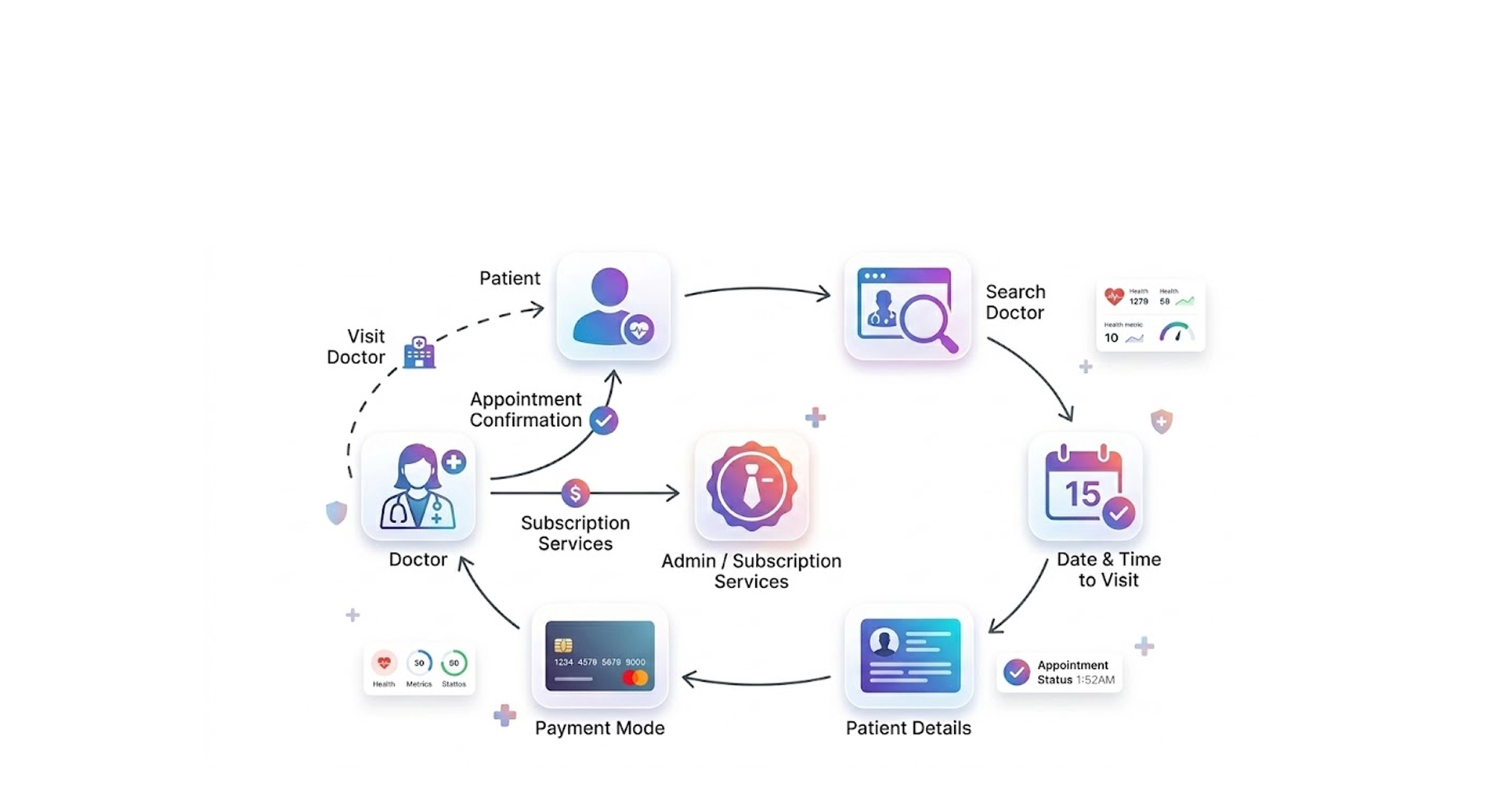
What Makes Scheduling Logic Different from Regular Apps
The trickiest part isn't the UI. It's the state management underneath. An appointment slot can move from available to held to confirmed to cancelled within seconds, and multiple users might be looking at the same slot simultaneously.
Here's what makes it genuinely complex to test:
- Slot state changes aren't always atomic a slot can appear available to one user while already held by another
- Timezone handling across patient and provider locations introduces edge cases most teams miss
- Cancellation logic needs to correctly release slots back to the pool without triggering duplicate confirmation emails
- No-show and reschedule flows have their own state machines that interact with the primary booking flow
Most QA checklists treat booking as a linear happy path. In practice, it's a graph, not a pipeline.
Common Failure Points in Doctor Booking Flows
In our experience across healthcare QA engagements, webhook delivery failures and calendar sync lag are the two issues we catch most consistently and the two that teams are least likely to have covered before we review their test suite.
- Insurance verification returning false positives (patient thinks they're covered, they're not)
- Calendar sync lag between Zocdoc and the provider's EHR showing stale availability
- Notification failures that don't surface in logs appointment confirmed on the backend, email never sent
- Session timeout mid-booking causing users to lose form data including insurance details
- Mobile-specific issues where the date picker or time slot selector doesn't behave consistently across Android and iOS
Run a test for each of these before you call anything production-ready.
How to Test the Zocdoc Booking Flow End to End
End-to-end testing for a healthcare scheduling app isn't about clicking through the UI once and calling it done. You need test cases that cover the full user journey from search and filter through to booking confirmation and reminder receipt.
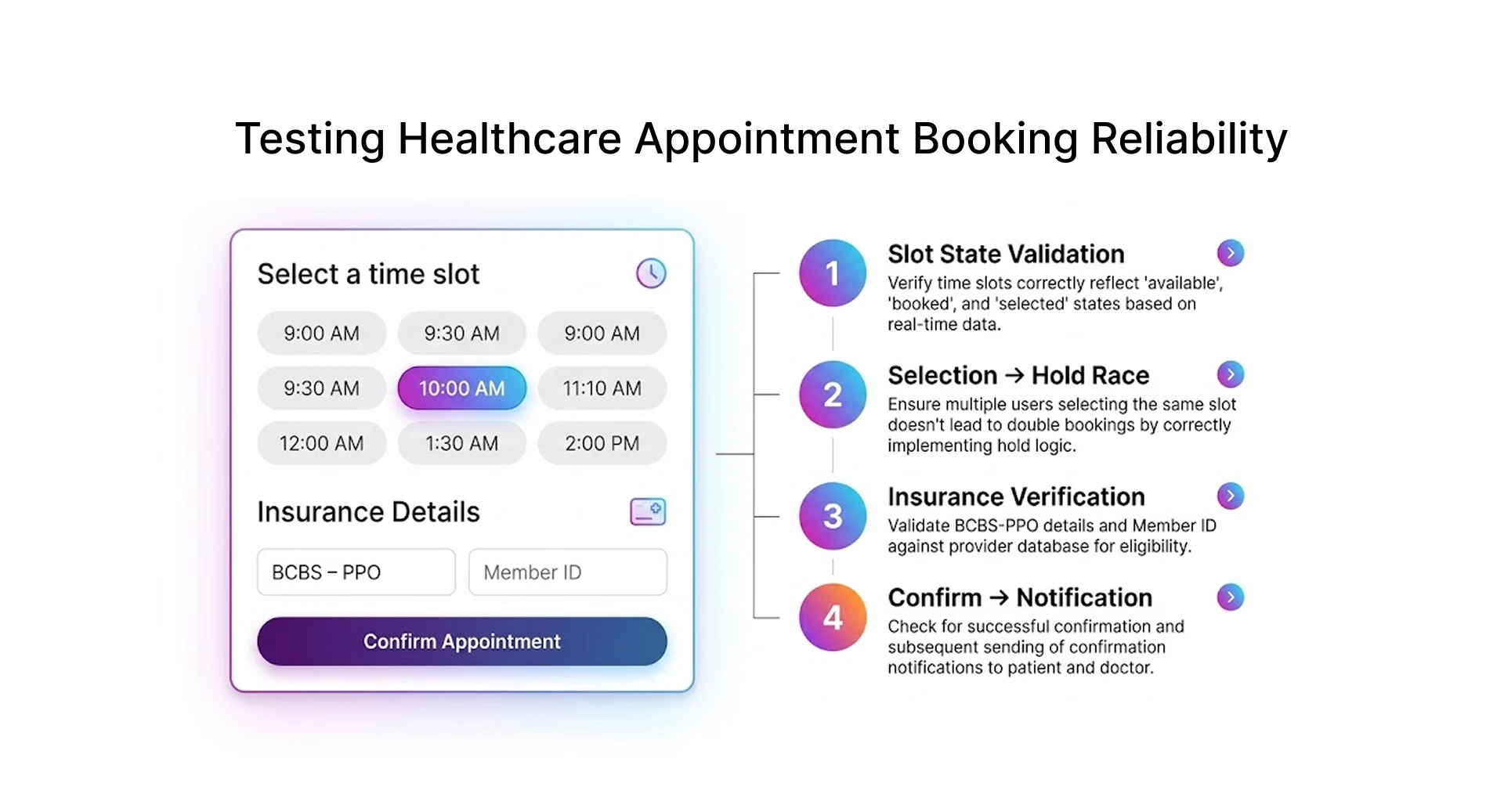
Test Cases You Need Before Going Live
A solid appointment booking reliability QA checklist should cover these scenarios at minimum:
Positive flows:
- Patient books in-network appointment with valid insurance → receives confirmation email and SMS
- Patient books same-day telehealth appointment → video link generated and delivered correctly
- Provider cancels appointment → patient notified, slot returned to availability pool
Negative flows:
- Patient submits booking with expired insurance → correct error shown, no appointment created
- Patient tries to book a slot held by another user → handled gracefully, not a 500 error
- Network drops mid-booking → form state preserved or user redirected cleanly
Edge cases:
- Booking an appointment that spans midnight (11:45 PM slot)
- Booking with a provider in a different timezone than the patient
- Attempting to book when the provider's calendar is syncing (EHR latency window)
Each of these needs its own test case, not a single "booking works" checkbox.
How to Handle Real-Time Slot Availability in Tests
Testing real-time slot availability is one of the harder problems in healthcare scheduling QA. The data changes constantly, which makes deterministic tests difficult.
The cleanest approach is to mock the availability API at the service layer so you control what state the slots are in during each test run. This lets you reliably test the "slot just became unavailable" scenario without needing to coordinate with a live calendar.
- Use contract tests (Pact works well here) to verify your frontend assumptions about the availability response schema
- Set up test fixtures that simulate specific slot states: available, held, expired hold, confirmed, cancelled
- Test the polling or websocket behavior if your app refreshes availability in real time what happens when availability changes while the user is mid-selection?
Testing Zocdoc's API and EHR Integration Points
Zocdoc has built integrations with 175+ calendar and EHR systems (as of early 2024, per Zocdoc's publicly reported figures).
If your platform connects into any of those pipelines or you're building on top of Zocdoc's API integration testing becomes as important as your UI test suite.
What to Cover in API Contract Testing for Booking
Healthcare booking API contract testing with a tool like Pact or Dredd should cover these:
- Schema validation: Does the availability response always return slot_id, start_time, end_time, provider_id in consistent formats?
- Error contract: Does a booking attempt on a held slot return 409 Conflict (not 200 with an error buried in the body)?
- Auth boundaries: Do unauthenticated requests to patient data endpoints return 401, not 403 or 200?
- Idempotency: Can the same booking request be submitted twice without creating duplicate appointments?
To test Zocdoc REST endpoints with Postman, build a collection that runs these scenarios in sequence and exports a report you can attach to your release sign-off.
Why Webhook Reliability Testing Often Gets Skipped
Webhooks are how Zocdoc pushes events to connected systems appointment created, cancelled, rescheduled. They're also the first thing dropped from test scope when timelines get tight.
What happens when a webhook fails to deliver? Does your system retry? Does the retry use exponential backoff or hammer the endpoint? Does a failed webhook leave the booking in an inconsistent state between Zocdoc and your downstream system?
Test at least these webhook scenarios:
- Webhook delivery to a slow endpoint (response time > 5s)
- Webhook delivery when the receiving endpoint is down (retry behavior)
- Duplicate webhook events (your system should be idempotent on webhook processing)
- Webhook payload schema changes what breaks if Zocdoc adds or renames a field?
HIPAA Compliance and Security Testing for Booking Apps
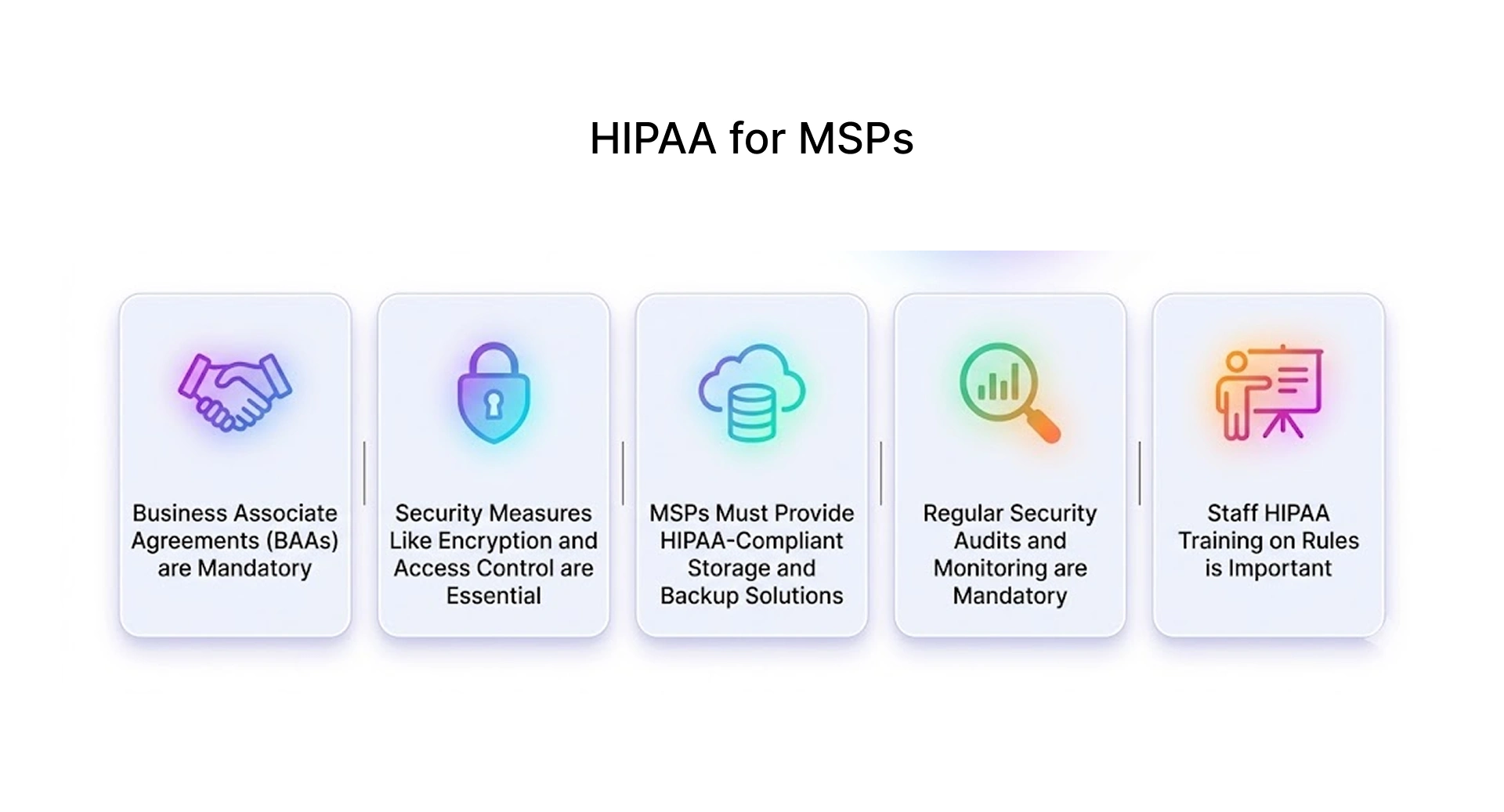
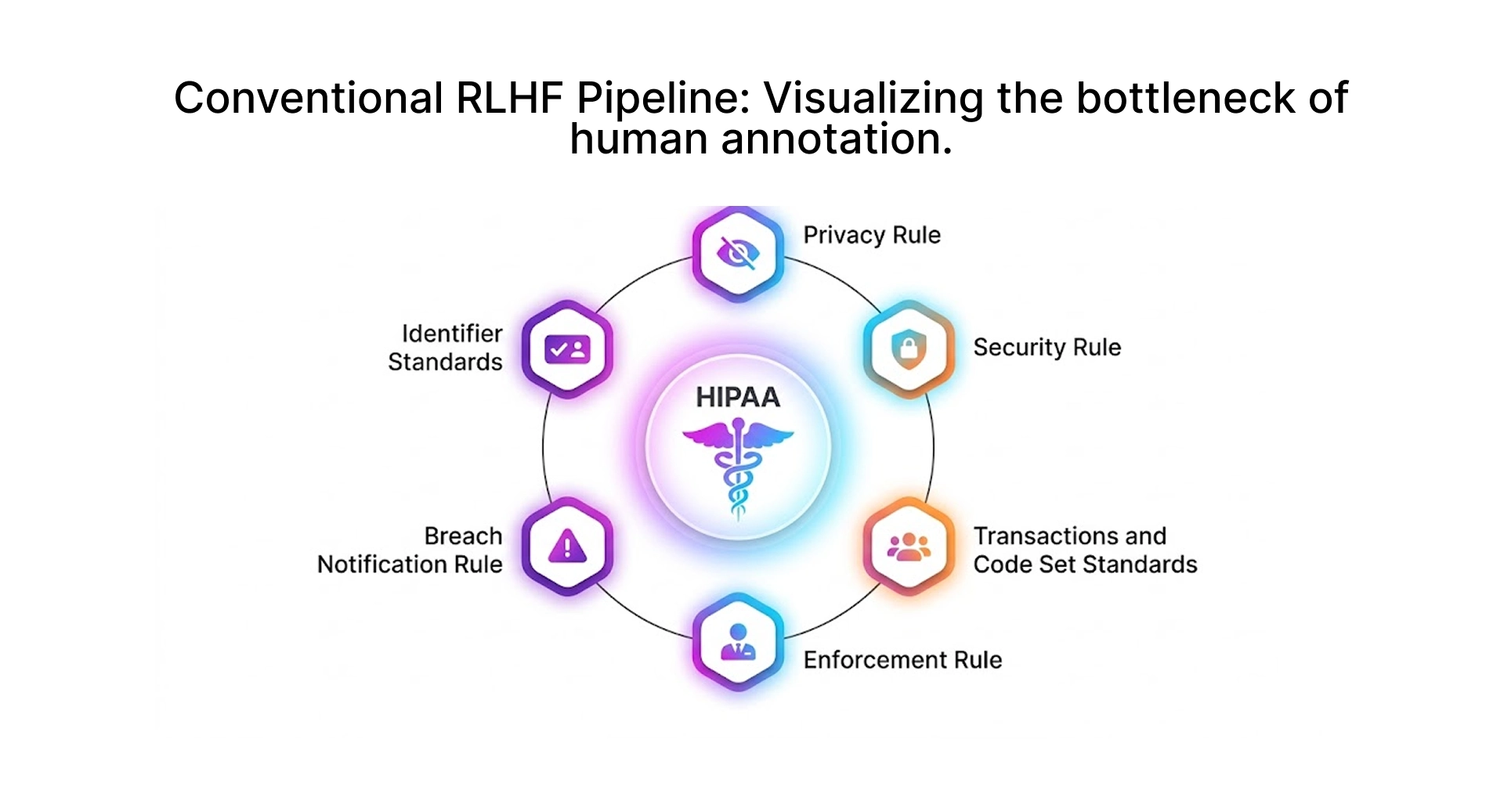
HIPAA isn't optional in healthcare, and "we're using a HIPAA-compliant vendor" doesn't cover everything. If your app handles, stores, or transmits protected health information (PHI) and an appointment booking form almost certainly does you have your own compliance obligations.
What HIPAA Testing Actually Looks Like in Practice
A HIPAA compliance checklist for a booking system is a structured set of security and privacy controls your application must demonstrate covering data encryption, access controls, audit logging, and session management as required under 45 CFR § 164 (the HIPAA Security Rule). For a booking system specifically, it should include:
Encryption in transit: All PHI transmitted over TLS 1.2+ test by intercepting traffic and verifying no plaintext patient data appears
- Encryption at rest: Database fields storing insurance IDs, patient demographics, and appointment history are encrypted
- Access control: A patient can only view and modify their own appointments test horizontal privilege escalation explicitly
- Audit logging: Every access to PHI generates an audit log entry with timestamp, user ID, and action type
- Session management: Sessions expire after inactivity; expired sessions can't be replayed to access patient data
Insurance Verification and Data Validation Test Scenarios
Insurance verification is where a lot of booking apps silently fail. The verification API returns a result, but the app doesn't handle edge cases: insurance active but out-of-network, insurance active but plan doesn't cover the specialty, insurance recently lapsed.
Test scenarios to include:
- Valid in-network insurance → booking proceeds
- Valid insurance but out-of-network provider → user warned before confirming
- Insurance API timeout → booking flow handles gracefully, patient not left on blank screen
- Mismatched subscriber ID format → validation catches it before API call, not after
Performance and Load Testing the Booking System
Healthcare booking apps have predictable traffic spikes. Monday mornings. January (new year, new insurance). Right after a public health event. Your system needs to handle these spikes without dropping bookings or corrupting slot state.
Simulating Peak Appointment Booking Traffic Realistically
For performance testing patient booking under load, use k6 or Locust and model traffic patterns based on actual usage data if you have it. A few things that matter specifically for booking:
- Simulate users searching availability concurrently this is the heaviest DB operation in most booking systems
- Mix booking, cancellation, and search operations in realistic ratios (not 100% booking attempts)
- Include think time between steps real users don't hit the API at machine speed
- Monitor slot state consistency under load, not just response times
Race Conditions and Double Booking Prevention Testing
Healthcare booking race condition testing is something most teams only add after a double-booking incident in production. Don't wait for that.
The core scenario: two users simultaneously request the last available slot with a provider. Your system should book exactly one of them and reject the other cleanly.
To test this reliably:
- Run two concurrent booking requests for the same slot using parallel test threads
- Verify exactly one receives a 200 confirmation and exactly one receives a 409 conflict
- Confirm the slot is not visible as available after either response
- Repeat across 50–100 runs race conditions are probabilistic, and a single test pass isn't proof
Mobile and Regression Testing for Booking Apps
In most healthcare booking QA engagements we run, mobile accounts for the majority of the sessions we're testing against.
. If your testing only covers desktop browsers, you're missing where most users actually book.
Platform-Specific Issues on Android and iOS Booking Apps
Mobile app testing for doctor booking across Android and iOS surfaces issues that desktop tests never catch:
- Date and time pickers behave differently on iOS (UIDatePicker) vs Android (Material DatePicker) slot selection bugs are common here
- Deep link handling when users tap a booking reminder notification and land in the app mid-flow
- Background/foreground transitions during booking app backgrounded while insurance info is being filled, then restored
- Keyboard overlap covering the "Confirm Booking" button on smaller screen sizes
Test on real devices, not just simulators. The simulator won't catch the keyboard overlap.
Building a Regression Suite for Appointment Confirmation Flows
For regression testing a telemedicine scheduling flow, your core suite should cover the scenarios most likely to break when anything in the booking stack changes:
- Search → select → confirm → receive confirmation email (full happy path)
- Cancel from confirmation email link → slot released, cancellation email sent
- Reschedule from app → old slot released, new slot confirmed, single confirmation sent (not two)
- Appointment reminder sent 24h before → correct date, time, and provider name in notification
Run this suite on every PR that touches the booking service, not just before releases.
Tools That Work Best for Healthcare Booking Test Automation
- Once mobile testing is in place, the next question is which tools to wire it all together with. There's no single right answer, but these are the ones that work well for the scenarios covered in this post:
Playwright for end-to-end healthcare booking UI testing handles authentication flows, multi-tab scenarios, and mobile viewport testing better than Selenium for modern apps - Selenium if your stack requires it, particularly for legacy booking UI or cross-browser coverage on older browsers
- Pact for API contract testing between your frontend and the booking service, and between your service and Zocdoc's API
- Postman / Newman for manual API exploration and CI-integrated REST endpoint testing
- k6 for load testing the booking flow under concurrent users
- BrowserStack or AWS Device Farm for real-device mobile testing
At Frugal Testing, we typically recommend starting with Playwright for UI and Pact for API contracts together they cover the highest-value scenarios with the lowest maintenance overhead.
What Good Testing Actually Looks Like for Healthcare Platforms
Here's the honest version: most healthcare booking systems ship with good happy-path coverage and weak edge-case coverage. The race condition bugs, the HIPAA misconfigurations, the webhook failures under load these get discovered in production because they're hard to think of upfront and easy to deprioritize.
A healthcare appointment booking system handles something patients depend on directly.. When it breaks badly, patients miss appointments. When it breaks quietly, they think their appointment is confirmed when it isn't.
The test strategy in this post isn't exhaustive, but it covers the failure modes that actually hurt users. Build it incrementally and automate what you can.Treat race conditions and webhook failures as first-class scenarios from day one not items you add after the first incident.
If you're building or testing a patient-facing scheduling platform and want a structured QA review, Frugal Testing runs end-to-end QA audits for healthcare tech teams covering API contract coverage, HIPAA test gaps, and load scenario design as a structured engagement with a written findings report.
People Also Ask (FAQs)
Q1.What makes healthcare appointment booking systems harder to test than regular apps?
Ans: Healthcare booking systems manage real-time slot state, patient data, insurance verification, and EHR sync simultaneously any one of these can fail silently, which makes concurrency and edge-case testing far more critical than in standard apps.
Q2.What are the most important test cases for a healthcare booking system?
Ans: The critical cases are slot booking, duplicate prevention, rescheduling, cancellations, payments, and notification delivery. Every one of them exists to enforce a single constraint: one confirmed slot belongs to exactly one patient.
Q3.How do you test real-time appointment slot availability?
Ans: Simulate multiple users requesting the same slot concurrently exactly one should receive confirmation, the rest should see it unavailable immediately, and the slot should not reappear after a timeout or failed payment.
Q4.Why is API testing critical for systems like Zocdoc?
Ans: When APIs fail, the UI can still appear functional while the backend creates ghost bookings which is why API testing, not UI testing, is where booking integrity actually gets verified.
Q5.What is webhook testing and why does it matter?
Ans: Webhook testing verifies that external systems calendars, payments, EHRs receive and process booking events correctly. Without it, a failed delivery can leave a slot showing as available after it's already been booked.